
Our Rajasthan Travel Guide for First-time Visitors
Last Updated on July 13, 2026
Rajasthan is chaotic, colorful, and captivating – and that’s what we love about it. Here’s our detailed Rajasthan travel guide with my personal tips on how to travel this region, things to do, and where to stay in the Land of Kings.
Of all the places we have explored in India, Rajasthan is hands down my favorite state. It is India at its most flamboyant: massive sandstone forts rise from the desert sands, palaces float on lakes, and cities washed in vibrant hues of pink and blue.
Rajasthan is the India of most traveler’s imagination, home to the famous Golden Triangle route, iconic cities like Jaipur and Udaipur, and the wild Thar Desert. It is culturally rich, chaotic in the best way possible, and deeply romantic. If you only visit one state in India, make it this one.
But as India’s largest state, it offers a sensory overload that can be overwhelming for the uninitiated. For those planning their first trip to India’s most colorful state, I’ve compiled a detailed Rajasthan travel guide with information on how to get there, how to stay safe (especially for women), and where to stay.

Rajasthan Travel Guide
An Introduction to Rajasthan, India
Despite the frantic energy of the cities and the aggressive modernization of India, Rajasthan remains a deeply traditional land underpinned by codes of honor and hospitality. Centuries of royal heritage have left a mark on the people, who treat guests with a unique warmth known as Atithi Devo Bhava (The Guest is God). It’s not just a saying here; you genuinely feel it in the way a shopkeeper will press a cup of chai into your hands before you’ve even browsed his wares.
Today, amidst the honking tuk-tuks, modern cafes, and busy train stations in Jaipur, it’s still common to see elephants painted in bright floral patterns and women in neon saris carrying water pots through the desert heat.
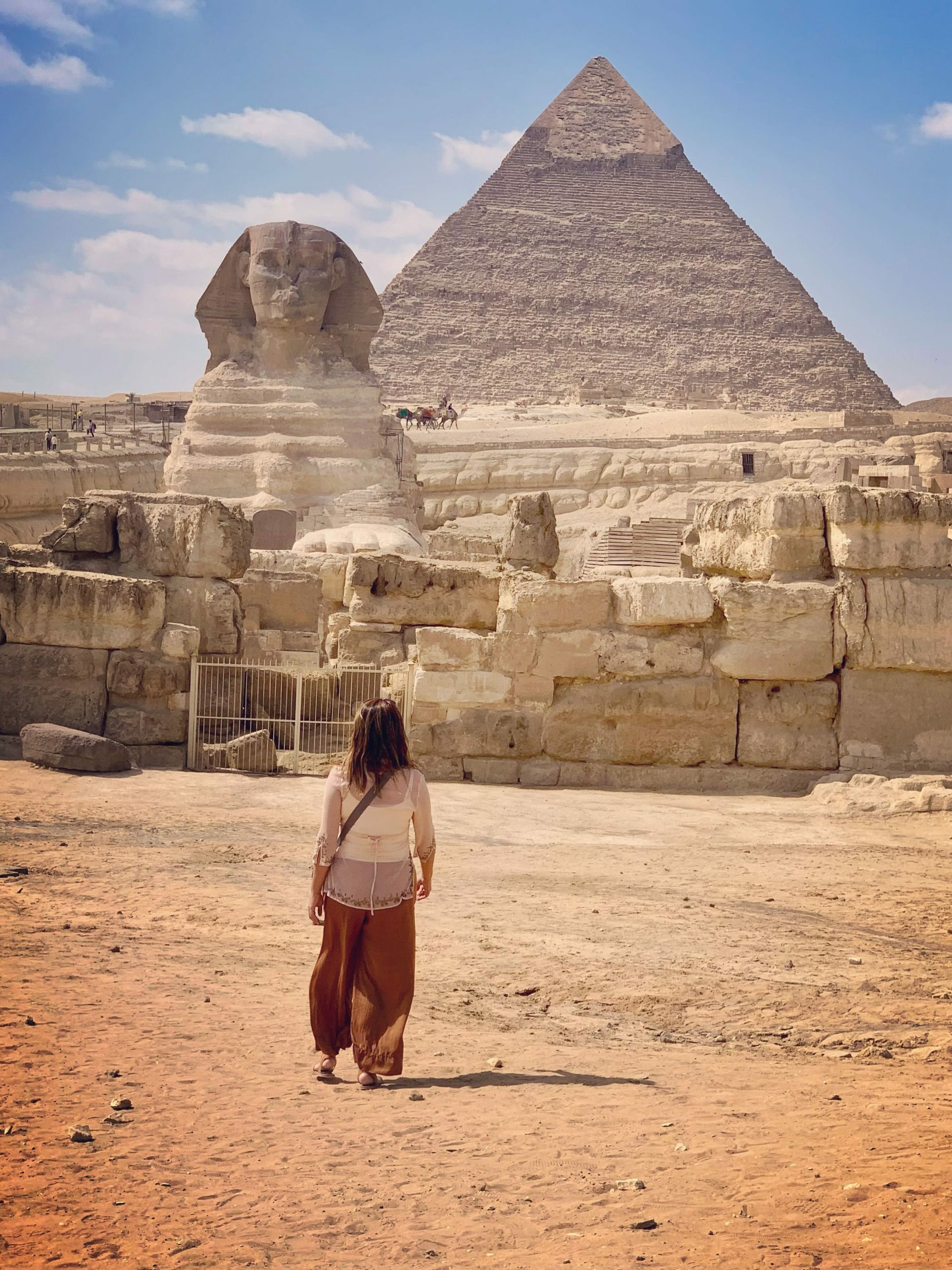
Magnificent havelis rich with the aroma of masala chai, temples ringing with bells, and streets lined with marigold garlands all remind us that the old world is very much alive here. If you want to get a sense of India’s culture and history, Rajasthan is truly the place to go. If you’re continuing on through India, you can use my India itinerary guide to plan how Rajasthan fits into a longer trip.

Is it Easy to Travel Rajasthan?
Many people feel intimidated by the stories of poverty, sanitation issues, and safety concerns. Some people I know refuse to visit India because they are afraid of the “Delhi belly” or the culture shock. I admit that India is not for the faint-hearted, but avoiding Rajasthan means missing out on one of the most culturally rich experiences on earth.
I see travel as the best form of education, only by going there, drinking chai with a shopkeeper, and navigating the bustling old cities do you truly begin to understand the complexity and beauty of Indian society. Yes, there will be moments of sensory overload. Yes, the noise levels and sheer density of people can feel like a wall when you first step off the train. But that initial overwhelm quickly gives way to wonder.
For first-time visitors, I highly recommend hiring a private car and driver for your trip. It acts as a bubble of sanity; you can dive into the chaos of the markets and then retreat to your air-conditioned car. If you are looking to organize a private tour through Rajasthan, plenty of reputable agencies in Delhi and Jaipur can arrange a fully customized itinerary tailored to your pace and interests.

When to Travel Rajasthan
Rajasthan can be visited year-round, but the best time to visit is in winter (from October to March) when the weather is pleasant, days are sunny, and nights are cool. This is the peak tourist season, so expect crowds at the major forts, particularly around Amber Fort in Jaipur and Mehrangarh in Jodhpur. Book your accommodation well in advance.
Summer (April to June) is scorching hot, with temperatures often exceeding 45°C (113°F). I strongly advise against visiting the desert cities like Jaisalmer during these months as the heat can be dangerous. The Monsoon season (July to September) brings relief from the heat and turns the Aravalli hills lush green, but the humidity can be intense and rain may disrupt travel plans.
Many festivals take place in winter, including the famous Pushkar Camel Fair (usually November) and the Jaipur Literature Festival (January). Rajasthan travel is definitely at its best during these cooler months.

Staying Connected in Rajasthan
eSIMs are now commonly available and work very well in almost every part of India. In my experience, Saily is the best company to use for staying online without a headache. The installation process was incredibly easy; I downloaded the app and set up my plan before I even boarded my flight. By the time I landed in Delhi, my data was already working.
What impressed me most was the reliability. The network worked really well regardless of where we went whether I was video calling from a rooftop in Udaipur or checking maps in the remote Thar Desert. If you want to avoid the paperwork and stay safe with reliable maps and communication, I highly recommend getting an eSIM for India from Saily.

How to Get to Rajasthan
Most international travelers fly into Indira Gandhi International Airport (DEL) in New Delhi. From there, Rajasthan is easily accessible. You can also fly directly into Jaipur International Airport (JAI), though flights are often more expensive than flying into Delhi.
Whether you’re heading into Jaipur or traveling onward, it’s easy to arrange buses, flights, or private transfers through Bookaway, a platform I’ve used many times and trust for its reliability.
Another way of getting into Rajasthan is via the Indian Railway network. The Shatabdi Express and Ajmer Shatabdi are excellent, air-conditioned trains that run from New Delhi to Jaipur in about 4 to 5 hours.
Train travel in India is an experience in itself. The landscapes begin to shift from the urban sprawl of Delhi to mustard fields and arid scrubland. Train tickets are very cheap, with an AC Chair Car seat costing around US$10-15. However, tickets sell out weeks in advance, so book early.

How to Get Around Rajasthan
While you can take trains and local buses between cities, getting around within the cities and reaching remote villages is best done by private transport. Here’s a breakdown of your options:
- Hiring a Car and Driver: This is the most popular option for comfort. A car with an English-speaking driver will cost approximately US$45-60 per day. This usually covers fuel, tolls, and the driver’s allowance. It gives you the freedom to stop for photos of camels crossing the highway or to find a clean restroom—a luxury you will appreciate!
- Auto-Rickshaws (Tuk-Tuks): For short distances within cities like Jaipur or Udaipur, auto-rickshaws are king. They are nimble and fun, but you must bargain hard. Always agree on a price before getting in. A short hop should cost 50-100 rupees (US$0.60 – $1.20).
- Uber/Ola: In major cities like Jaipur, Udaipur, and Jodhpur, ride-hailing apps are available and reliable. They save you the hassle of haggling entirely and are a great option when you’re tired or just want a stress-free ride.

5 Best Places to Travel in Rajasthan
Rajasthan packs an extraordinary range of experiences into a single state, from living desert forts to romantic lake cities. Here are the destinations I think every first-time visitor should hit:
- Jaisalmer, the Golden City, was the highlight of our Rajasthan trip. Seeing the fort rise out of the flat desert like a sandcastle was surreal. We took a camel safari into the Thar Desert and slept under the stars — it was peaceful, cold, and utterly unforgettable.
- Jaipur, the Pink City, is chaotic but filled with gems. The Amber Fort is majestic, and the Hawa Mahal (Palace of Winds) is an architectural icon. Budget at least three full days here.
- Udaipur offers a complete change of pace from the desert dust. It is romantic, noticeably cleaner, and the lakes provide a calming, almost dreamlike backdrop to everything. A sunset boat ride on Lake Pichola is absolutely essential.
- Jodhpur, the Blue City, is famous for the Mehrangarh Fort, which I think is the most impressive fort in all of India. Walking through the narrow blue alleyways of the old city feels like stepping back in time.
- Pushkar is a small, spiritual town centered around a holy lake. It has a hippie vibe and is a great place to relax, shop for textiles, and observe Hindu ceremonies on the ghats.

Our 2-Week Rajasthan Itinerary
If you are planning a trip to the Land of Kings, I think two weeks is the absolute sweet spot. It allows you to hit all the major highlights without feeling like you are constantly in transit. While you could easily spend months here, this route offers the perfect mix of chaotic cities, desert landscapes, and relaxing lakes.
Here is the route I recommend for first-timers to get the most out of the region:
- Days 1–2: Delhi – Land in the capital. Spend your time acclimatizing to the energy of India. Explore the narrow lanes of Old Delhi and visit the Red Fort. Search for flights here.
- Day 3: Agra – Okay, this isn’t technically Rajasthan, but you can’t come this far and not see the Taj Mahal. Drive down in the morning, see the monument at sunset, and stay the night.
- Days 4–6: Jaipur – Drive to the Pink City. You need at least three days here to see the Amber Fort, Hawa Mahal, and get lost in the bazaars.
- Day 7: Pushkar – A short drive brings you to this holy town. It’s a great palate cleanser after the busy cities. Watch the evening prayers (Aarti) by the lake.
- Days 8–9: Jodhpur – The Blue City was one of my favorites. Explore the massive Mehrangarh Fort and wander the indigo-painted alleyways.
- Days 10–11: Jaisalmer – It’s a long drive into the Thar Desert, but worth it. Sleep under the stars on a camel safari and explore the living fort.
- Days 12–14: Udaipur – End your trip in the most romantic city in India. It is much cleaner and calmer here. Take a boat ride on Lake Pichola and relax before your flight home.
How to use this map: Click on the top left of the map to display the list of locations, then click on the locations to display further information. To open a larger version in a new tab, click on the top right corner of the map. Star the map to save it to your own Google Maps.

Where to Stay in Rajasthan
Accommodation is a highlight of any Rajasthan trip. The state is famous for its Havelis, traditional mansions converted into boutique hotels. On my trip, we stayed at a mix of heritage properties and havelis that offered incredibly intricate architecture and hospitality.
You don’t need to spend a fortune to feel like royalty here. Even mid-range hotels often feature hand-painted frescoes, open courtyards strung with fairy lights, and rooftop restaurants with fort views.
Here are the Rajasthan hotels I recommend:
- Pearl Palace Heritage (Jaipur) — A boutique hotel where every room has a different theme based on Indian regions. It is visually stunning and very affordable. Their sister property, the Peacock Rooftop Restaurant, is a must-visit. Check rates here.
- Jagat Niwas Palace (Udaipur) — Located right on the edge of Lake Pichola. We splurged on a lake-facing room and waking up to the sun hitting the water was magical. It’s a beautifully restored 17th-century haveli. Check rates here.
- RAAS Jodhpur — The best place to stay in Jodhpur if you want luxury. It sits right at the foot of the Mehrangarh Fort and offers the most spectacular view of the fortress lit up at night. It’s a blend of modern and ancient stone. Check rates here.
- Suryagarh (Jaisalmer) — If you make it out to the Golden City, this hotel is a destination in itself. It’s an architectural marvel in the middle of the desert offering ultra-luxury. Check rates here.

What to Eat in Rajasthan
Don’t come to Rajasthan expecting mild flavors; the food here is fiery, rich, and heavy on ghee (clarified butter). Because Rajasthan is a desert state with limited agricultural land, there is less emphasis on fresh green vegetables and more on lentils, dried beans, and dairy, and the results are extraordinary.
The most famous dish is Dal Baati Churma—lentils served with baked wheat balls and crushed sweet wheat. It is a heavy meal that will keep you full for hours. Meat eaters absolutely must try Laal Maas, a fiercely spicy mutton curry slow-cooked with red Mathania chilies. It’s one of the great curries of India.
Street food is everywhere and magnificent. You’ll find Kachoris, crispy fried pastry filled with spiced onions or lentils, being sold from street carts at every turn. Lassi, sweet, thick churned yogurt, is served in terracotta cups and is the perfect antidote to the desert heat.
Best Restaurants in Rajasthan
- Tapri Central (Jaipur) — A trendy cafe overlooking Central Park. It serves a modern twist on Indian street food and the best masala chai in town. The atmosphere is young and vibrant. Read reviews here.
- Ambrai Restaurant (Udaipur) — Located on the banks of Lake Pichola, this place offers the most romantic dinner setting with views of the City Palace. The food is delicious North Indian fare. Read reviews here.
- Shri Mishrilal Hotel (Jodhpur) — Famous for its Makhaniya Lassi. It’s located right at the clock tower gate. It’s not a hotel, just a hole-in-the-wall shop, but the lassi is legendary. Read reviews here.

My Personal Cost of Traveling in Rajasthan for Two Weeks
Traveling in Rajasthan provides incredible value for money compared to Europe or North America. You can travel comfortably on a mid-range budget or splurge on palace hotels for a fraction of what 5-star hotels cost elsewhere.
For a two-week trip, expect to pay around US$1,200 – $1,500 per person if you are staying in heritage havelis, hiring a private car for longer journeys, and eating at sit-down restaurants. Here’s how that breaks down:
- Hotels: $40 – $80 per night for a quality Haveli with character and breakfast
- Food: $5 – $10 per person per meal at a good sit-down restaurant; much less for street food
- Transport: $50 per day for a private car with driver covering intercity journeys
- Entry Fees: Foreigner pricing applies at most major forts and museums (approx $7-10 per site); budget accordingly as these add up across the trip
To make the estimates above more concrete, here’s what I actually spent per person over two weeks. I traveled as a couple, so we split the cost of a private car and a double room in each haveli. That’s the main reason the per-person total lands toward the lower-middle of the $1,200–$1,500 range rather than the top. If you’re traveling solo, expect accommodation and transport to run higher since there’s no one to split them with.
Category | Total (2 weeks) | Per Day |
Accommodation (split double room) | $420 | $30 |
Meals | $300 | ~$21 |
Transport (private car, split) | $350 | $25 |
Entry Fees | $90 | ~$6.50 |
Misc (SIM, tips, souvenirs) | $140 | $10 |
Total | $1,300 | ~$93 |

Safety in Rajasthan
Safety is a primary concern for many, especially female travelers. Rajasthan is generally safe from violent crime, but it can be a challenging destination due to harassment and scams.
For Female Travelers: I traveled with a partner, but I met many solo female travelers. The biggest issue is “staring” and lack of personal space. It is common for men to stare; usually, it is out of curiosity, but it can feel aggressive.
Here are some of personal advice:
- Dress Modestly: Covering your shoulders and knees significantly reduces unwanted attention. Carry a light cotton scarf (dupatta) at all times, it’s versatile, cheap to buy locally, and invaluable.
- Be Firm: If someone is bothering you or trying to sell you something, a firm “No” and lack of eye contact works best.
- Night Travel: Avoid walking alone in desolate areas late at night. Stick to busy areas or take an Uber/Rickshaw.
- Scams: Touts are a constant presence, particularly outside major train stations and hotels. A common scam involves someone telling you your hotel is closed, burnt down, or inaccessible, the aim is to divert you to a guesthouse where they earn commission. Always ignore them and insist on going directly to your booked destination.

Staying Healthy in Rajasthan
The dreaded “Delhi Belly” is real, but it’s far from inevitable if you’re sensible about what you eat and drink. Hygiene standards vary enormously across the state, so staying vigilant is essential.
- Water: Never drink tap water under any circumstances. Only drink sealed bottled water, and always check the seal is intact before opening. Avoid ice in drinks unless you are at a high-end hotel that explicitly uses filtered water.
- Food: Eat only freshly cooked, piping hot food. Avoid salads or pre-cut fruit sold at street stalls, they are almost certainly washed in tap water.
- Pollution: Air quality in Jaipur and Delhi can be genuinely poor in winter months due to crop burning and traffic. If you have respiratory sensitivities, bring a quality mask.
- Sanitizer: Carry hand sanitizer everywhere and use it constantly. Money, handrails, and shared surfaces are heavily contaminated, and you’ll often find yourself eating with your hands or bread.
Some of the recommended vaccinations for India are:
- Hepatitis A and B
- Diphtheria
- Cholera
- Tetanus
- Typhoid
Consult your travel doctor or GP at least six weeks before departure to ensure your vaccinations are up to date.

Key Takeaways
Rajasthan dazzles at every turn, but if you’re pressed for time or trying to build a focused first-time itinerary, these are the five places that absolutely should not be missed:
- Best time to visit: October to March offers the most pleasant weather, sunny days, cool nights, and access to major festivals including the Pushkar Camel Fair.
- Essential stops: Jaipur, Udaipur, Jodhpur, Jaisalmer, and Pushkar form the classic first-timer’s circuit, add Agra for the Taj Mahal.
- Budget: Plan for approximately US$1,200-$1,500 per person for a comfortable two-week trip with boutique haveli stays and a private car.
- Must-try food: Dal Baati Churma and Laal Maas are the iconic dishes of Rajasthan; don’t leave without trying both.
- Connectivity: An eSIM from Saily provides reliable internet coverage across Rajasthan, from Jaipur rooftops to the Thar Desert, set it up before you fly.
- Safety for women: Dress modestly, carry a dupatta, be firm with touts, and stick to busy areas or ride-hailing apps at night.
- Where to stay: Heritage havelis offer stunning boutique stays at mid-range prices, Pearl Palace Heritage (Jaipur), Jagat Niwas Palace (Udaipur), and RAAS Jodhpur are standout picks.

Frequently Asked Questions
What is the best month to visit Rajasthan?
The best months to visit Rajasthan are October through March, when temperatures are cool and dry, making sightseeing genuinely comfortable.
November is particularly magical if you can time your trip to coincide with the Pushkar Camel Fair, one of the most spectacular events in Asia. December and January bring pleasantly cold nights, especially in Jaisalmer, so pack a warm layer.
How safe is Rajasthan for solo female travelers?
Rajasthan is generally safe for solo female travelers in terms of violent crime, but women should prepare for persistent staring, uninvited attention, and opportunistic touts.
Dress modestly (shoulders and knees covered), carry a dupatta scarf, use Uber or Ola at night rather than walking alone, and respond to harassment with a firm “No” and zero eye contact. Many solo women travel Rajasthan successfully every year, preparation and confidence are your best tools.
Which cities should I include in a Rajasthan itinerary?
The ideal Rajasthan itinerary covers Jaipur (3 nights), Pushkar (1 night), Jodhpur (2 nights), Jaisalmer (2 nights), and Udaipur (3 nights) as the core circuit.
If time allows, add Delhi at the start to acclimatize, and Agra for the Taj Mahal, technically not in Rajasthan, but an unmissable detour. Two weeks is the sweet spot for covering all five major Rajasthani cities without feeling rushed.
What are the must-try foods in Rajasthan?
Dal Baati Churma, lentils served with baked wheat balls and crushed sweet wheat, is the dish most synonymous with Rajasthani cuisine and is a must-try.
Laal Maas, a fiery slow-cooked mutton curry made with red Mathania chilies, is essential for meat eaters. On the street food side, Kachoris (fried pastry with spiced filling) and thick, cold Lassi served in clay cups are everywhere and absolutely worth seeking out.
Do I need any vaccinations for Rajasthan?
Yes, recommended vaccinations for Rajasthan include Hepatitis A and B, typhoid, tetanus, diphtheria, and cholera. Consult your travel doctor or GP at least six weeks before departure to ensure you’re fully protected and to discuss whether anti-malarials are appropriate for your specific itinerary and travel dates.
How do I avoid Delhi Belly in Rajasthan?
Avoiding food and waterborne illness in Rajasthan comes down to a few consistent habits: drink only sealed bottled water (check the seal every time), eat only freshly cooked food that is served piping hot, avoid street salads and pre-cut fruit, and carry hand sanitizer to use before every meal.
Most mid-range and heritage hotels are perfectly safe; be more cautious at very basic street stalls. If you do get sick, oral rehydration salts and a rest day usually sort most travelers out within 24-48 hours.
Is it worth hiring a private car and driver in Rajasthan?
Yes, hiring a private car with an English-speaking driver is one of the single best investments you can make for a Rajasthan trip. At US$45-60 per day, it offers door-to-door comfort, the freedom to stop wherever you like, and a knowledgeable companion who can help navigate local situations.
It acts as a practical bubble of sanity, you can dive into the chaos of the markets and then retreat to an air-conditioned car to recover. For first-time visitors especially, it makes the experience dramatically more enjoyable.

What Are Your Favorite Places in Rajasthan?
Thank you for reading this far! I hope this Rajasthan travel guide has helped you feel more confident about planning your trip to India’s most colorful and captivating state.
Have you been to Rajasthan already, or is it still on your bucket list? Which city or experience are you most excited about — the forts of Jaipur, the romance of Udaipur, or the vast silence of the Thar Desert? Let me know in the comments below. I’m always happy to answer questions and help with trip planning.
If you’re planning to explore more of India or travel further across Asia, you might also enjoy these articles:
- How to Spend 2 Weeks in India
- Nagaland, India Travel Guide
- 3 Days in Singapore
- Singapore with Kids
- Pakistan with Kids
- 2-Week Vietnam Itinerary
- Things to Do in Hoi An, Vietnam
- Planning a Laos Family Trip
- 2 Weeks in Thailand for First-Timers
- Laos with Kids
- Malaysia Travel Guide
- Living in Bali
- How to Choose an eSIM for Travel
Disclaimer: This post contains affiliate links i.e. if you book a stay through one of my links, I get a small commission at NO EXTRA COST to you. Thank you for your support!
Inspired? Pin it!


The Comments
Scott
Great write-up as usual!